
10 Proven Strategies to Boost Organic Traffic
Organic traffic is not luck. It is the result of clear strategy, consistent execution, and smart optimization.
In 2026, search engines reward websites that are helpful, fast, and trustworthy.
If your goal is long-term growth without depending on ads, these strategies will help you build a steady flow of high-quality traffic.
What organic traffic really means
Organic traffic comes from search engines without paid ads.
These visitors:
- Are actively searching for solutions
- Have higher intent
- Convert better
That’s why organic traffic is considered the most valuable traffic source.
Target high-intent keywords that actually convert
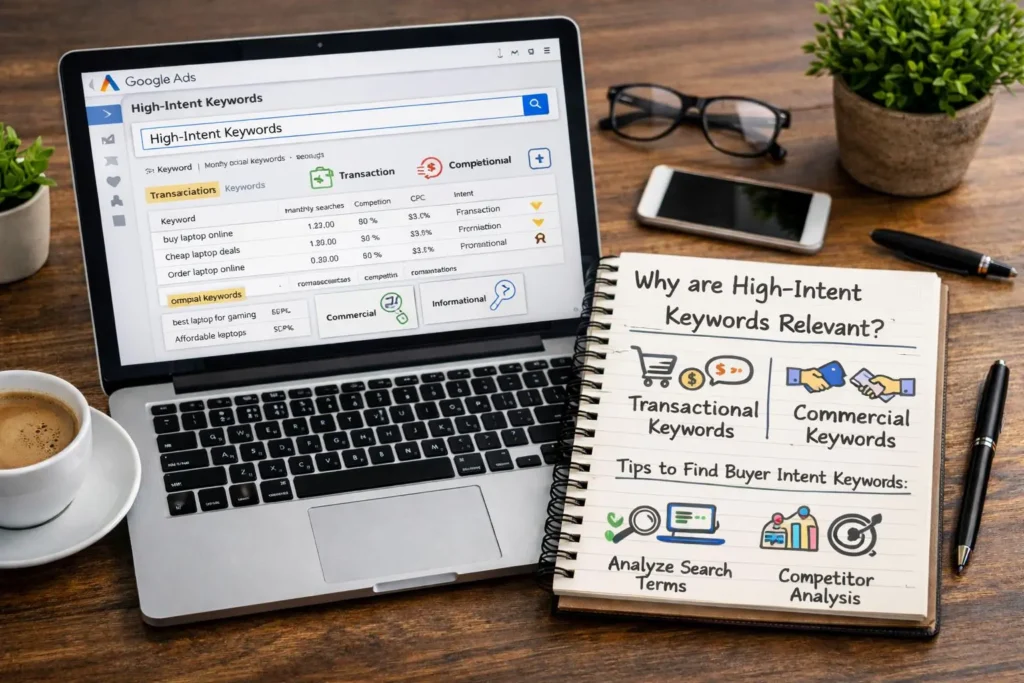
Not all keywords bring results. The real growth comes from targeting keywords that show clear intent. Use tools like Ahrefs and Ubersuggest to uncover opportunities people are actively searching for.
Focus on:
- Long-tail keywords that are easier to rank and more specific
- Problem-based queries where users are looking for solutions
- Buyer intent keywords that indicate readiness to take action
Instead of chasing broad topics like “SEO tips,” go deeper with something like “SEO tips for small business websites in 2026.” Specificity brings targeted traffic that actually converts.
Create deep, helpful content that solves real problems
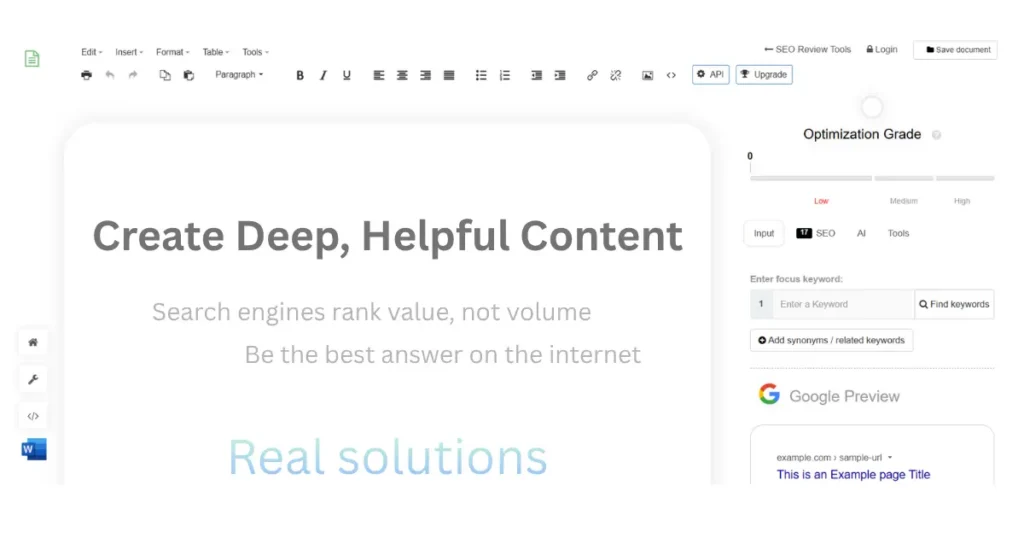
Search engines today prioritize value-driven content, not just word count.
What consistently works:
- Step-by-step guides that simplify complex topics
- Detailed tutorials with actionable insights
- Content that directly solves a user’s problem
What to avoid:
- Thin, surface-level articles
- Rewritten or generic information
- Overusing keywords without adding value
Your mission is simple, and that is: create content so useful that your reader doesn’t need to visit another page.
Optimize on-page SEO the right way
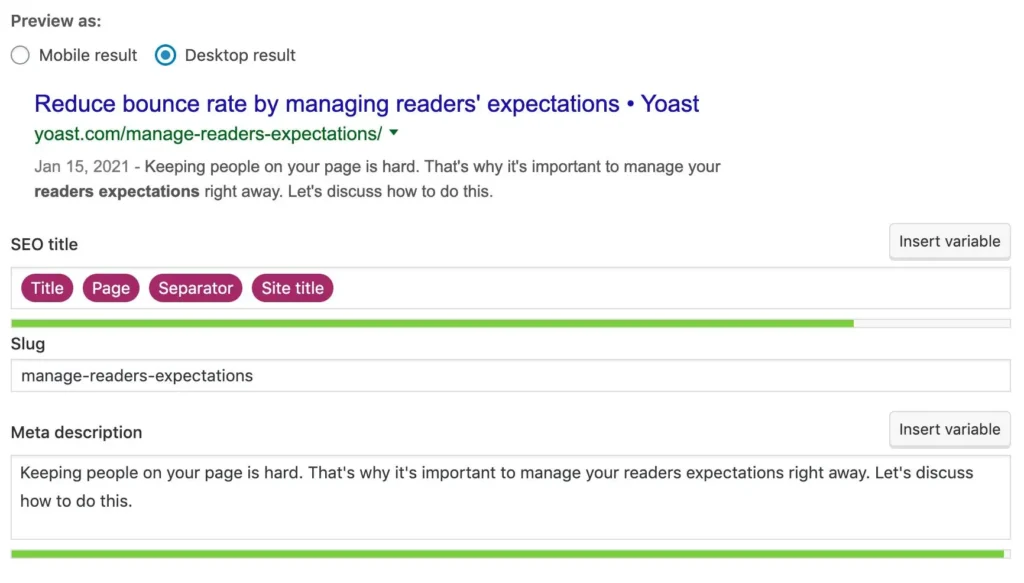
Even the best content needs proper structure to rank. Tools like Yoast SEO or Rank Math can guide you, but strategy matters more than tools.
Pay attention to:
- SEO-friendly, click-worthy titles
- Compelling meta descriptions that improve CTR
- Clear heading structure (H1, H2, H3)
- Natural keyword placement
- Smart internal linking
This helps search engines understand your content and improves your chances of ranking higher.
Improve website speed for better rankings and experience
Speed is no longer optional. A slow website silently kills your growth. Test your site using PageSpeed Insights, and GTmetrix to identify performance issues.
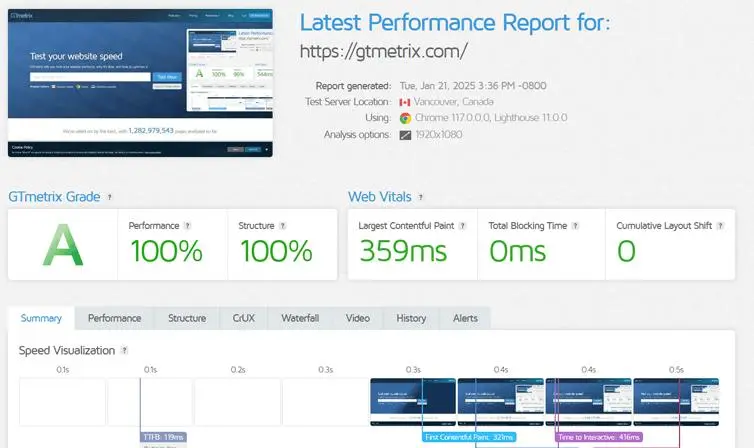
Why it matters:
- Faster websites rank better
- Users stay longer and engage more
- Lower bounce rates improve SEO signals
How to fix it:
- Compress and optimize images
- Enable caching
- Choose reliable and fast hosting
Better speed equals better user experience, which directly impacts your rankings.
Build topic authority, not just individual posts
Publishing random content won’t build trust with search engines. Instead, create a content cluster strategy where multiple articles revolve around a central topic.
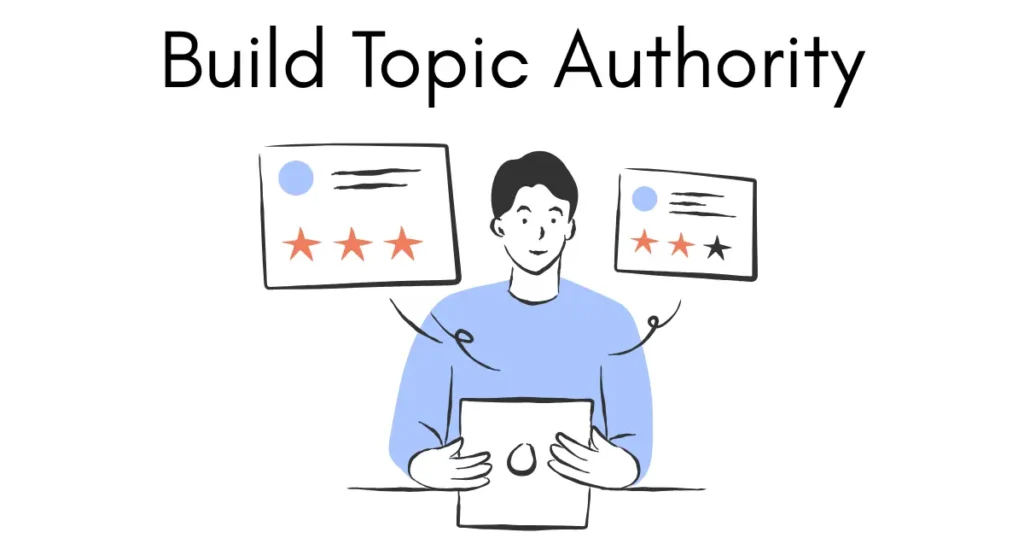
For example, in a fitness niche:
- Workout plans
- Diet guides
- Fat loss strategies
- Muscle-building tips
This signals to Google that your website is not just another blog, but a trusted source of knowledge in that domain.
Use internal linking strategically
Internal linking is one of the most underrated SEO techniques.
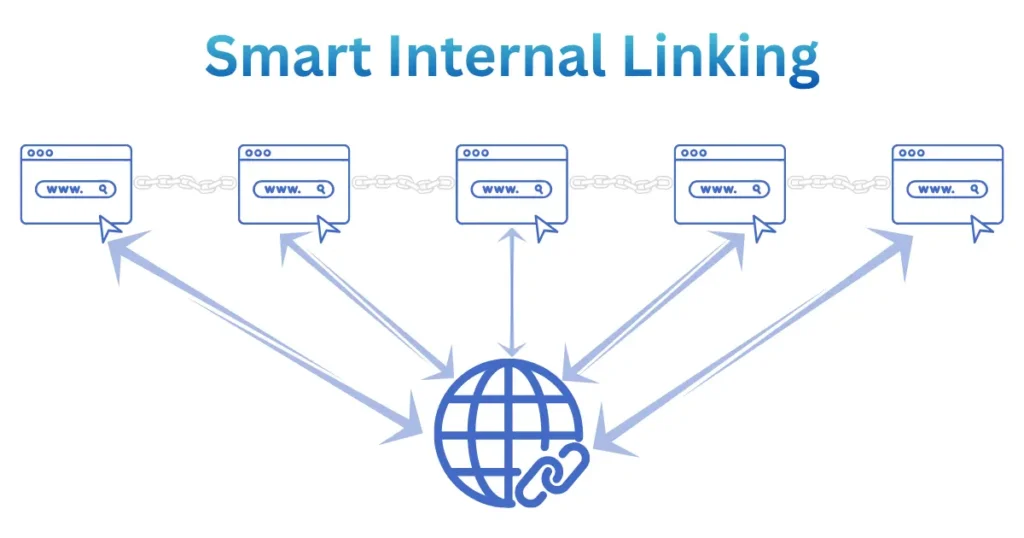
It helps:
- Improve site navigation
- Increase time spent on your website
- Distribute SEO value across pages
Instead of forcing links, connect related content naturally. Guide your reader from one helpful article to another, creating a seamless learning journey.
Earn high-quality backlinks that build authority
Backlinks still play a major role in rankings, but quality always beats quantity.
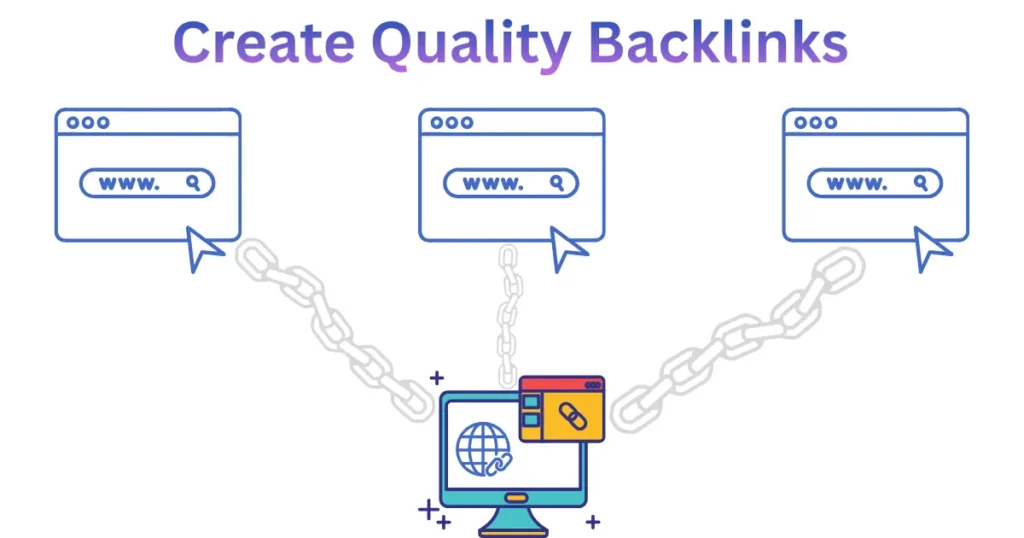
Start with:
- Guest blogging on relevant websites
- Listing your business in trusted directories
- Creating professional social profiles
- Answering questions on platforms like Quora
The key is relevance. A few strong backlinks from authoritative sites are far more powerful than hundreds of low-quality ones.
Optimize for mobile users first
Most users today access websites through their phones. Ignoring mobile optimization means losing a major portion of your audience.
Make sure your website:
- Has a responsive design
- Loads quickly on mobile devices
- Offers smooth and easy navigation
A poor mobile experience doesn’t just frustrate users, it also affects your rankings.
Leverage search data to improve continuously
Your SEO strategy should be guided by real data, not assumptions.
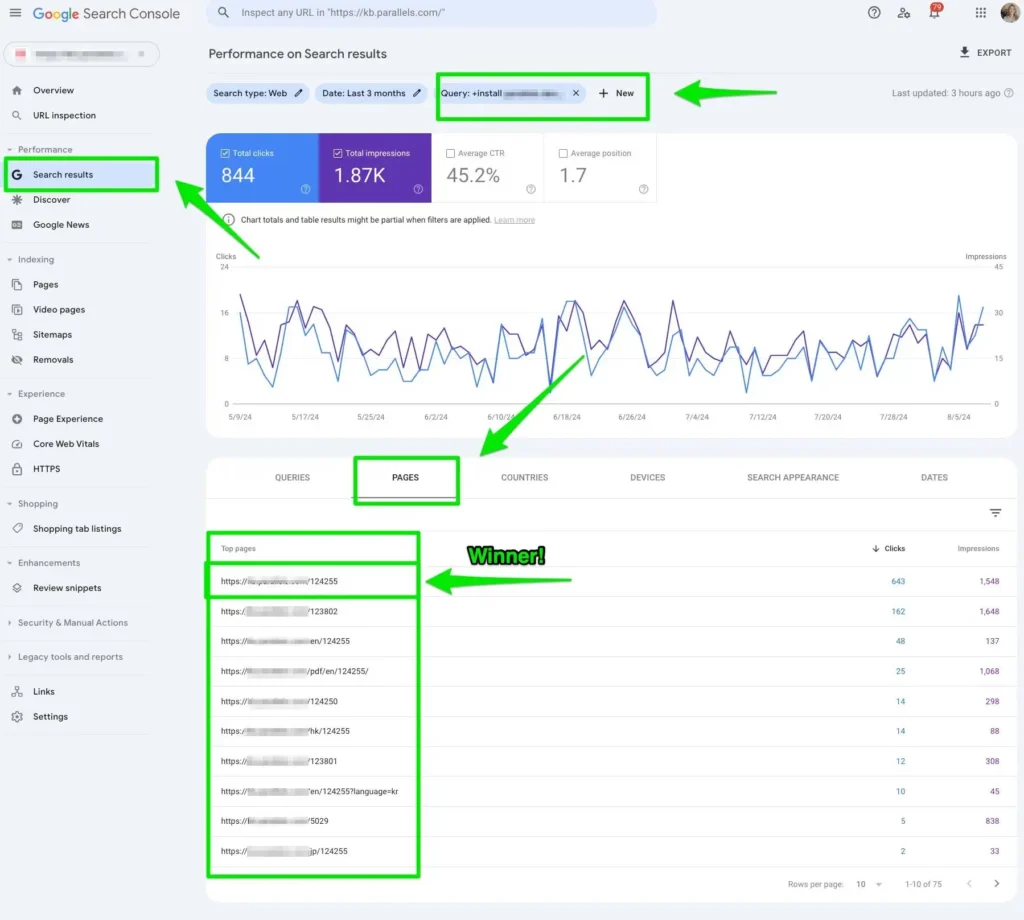
Use Google Search Console to track:
- Keywords your site is ranking for
- Pages getting impressions but low clicks
- Click-through rates and performance trends
Once you identify these opportunities, optimize those pages further to boost rankings and traffic.
Stay consistent for at least 90 days
This is where most people give up too early. SEO is not instant, but it’s powerful when done consistently.
What works:
- Publishing content regularly
- Updating and improving old articles
- Continuously optimizing your pages
Consistency builds momentum, and momentum drives long-term growth.
Common mistakes that kill organic traffic
- Ignoring keyword research
- Writing low-quality content
- Slow website speed
- No internal linking
- Giving up too early
Avoid these, and you are already ahead.
Simple organic growth plan
If you’re starting today:
- Pick a niche
- Find 20–30 keywords
- Publish 2–3 posts per week
- Optimize every post
- Track results monthly
Repeat consistently.
Closing Thoughts
Organic traffic is not built overnight. But once it grows, it becomes your strongest business advantage.
Focus on:
- Value
- Optimization
- Consistency
And your traffic will grow naturally.
READ MORE: Best Hosting Providers for Bloggers in 2026