Email Marketing Hacks for Blogging Success (2026 Guide)
Most bloggers focus on traffic. But the real power lies in what happens after someone visits your blog.
Because traffic comes and goes.
But an email list?
That is an asset you own.
In 2026, smart bloggers are not just chasing views. They are building direct relationships with their audience through email.
And that’s where real growth begins.
Why email marketing still wins in 2026
Social media algorithms change, search rankings fluctuate. But email remains one of the most stable and high-converting channels.
With email marketing, you:
- Control your audience
- Build trust consistently
- Drive repeat traffic
- Generate predictable income
This is why successful bloggers treat email like their core growth engine.
The foundation: Choose the right email tool
Before you even think about writing emails or building funnels, you need a solid platform that can actually support your growth. The truth is, your email marketing results are heavily influenced by the tool you choose. A weak foundation leads to poor deliverability, limited automation, and missed opportunities.
Let’s break down three powerful platforms that bloggers are using to turn subscribers into loyal readers and consistent revenue.
Mailchimp
If you’re just starting out, Mailchimp feels like a comfortable entry point. It’s beginner-friendly, visually clean, and doesn’t overwhelm you with complexity.
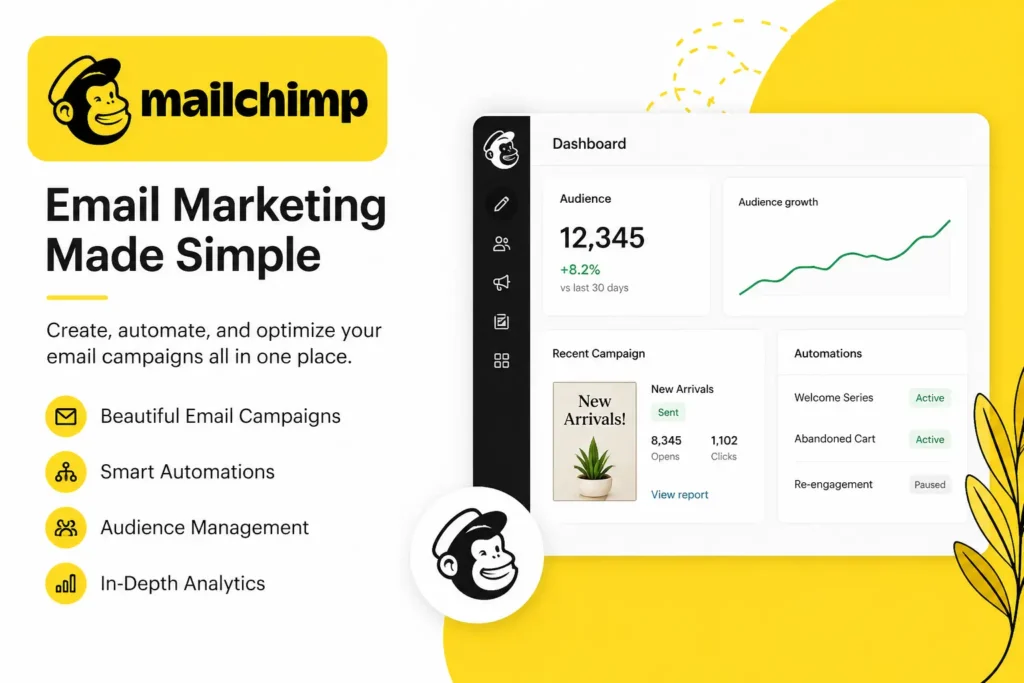
You can quickly create:
- Beautiful email campaigns
- Simple automation workflows
- Signup forms for your blog
What makes Mailchimp useful for bloggers is its drag-and-drop editor and pre-built templates. You don’t need technical skills to launch your first campaign.
Plus, there’s another truth that most newbies realize later; As your list grows, Mailchimp can become limited in terms of advanced automation and segmentation.
This is Best for:
- Beginners testing email marketing
- Bloggers who want simplicity over complexity
ConvertKit
ConvertKit is built specifically for creators, bloggers, and digital entrepreneurs. This is where things start getting serious.
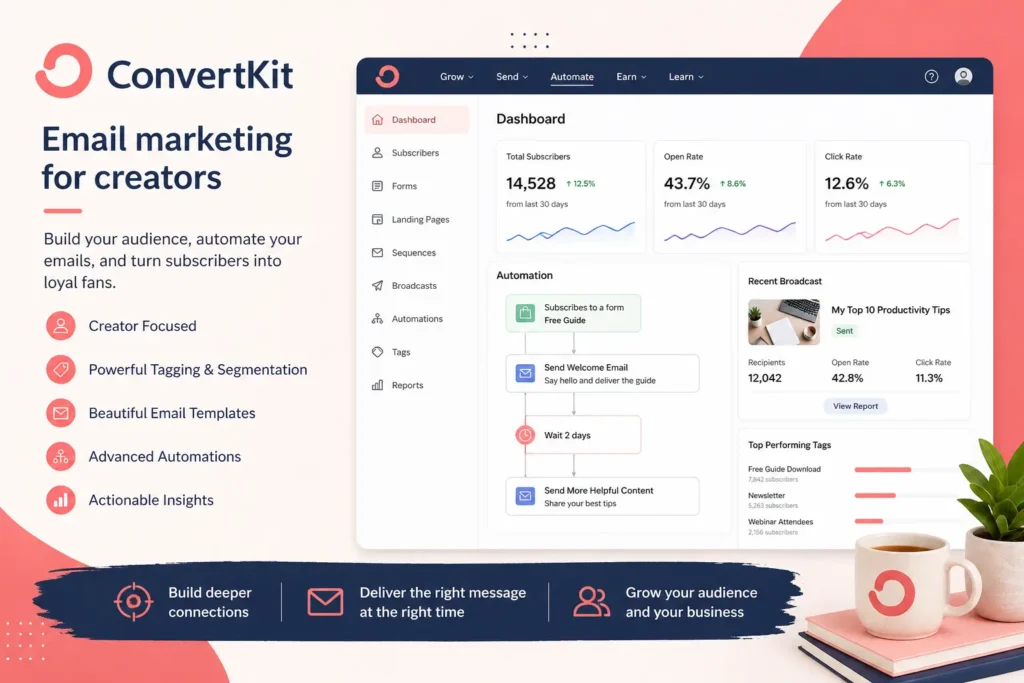
Instead of treating subscribers as just numbers, ConvertKit focuses on behavior-based marketing. That means you can:
- Tag users based on actions
- Send personalized sequences
- Build automated funnels that run in the background
For example, if someone downloads your free guide, you can automatically send them a value-packed email series that builds trust and subtly promotes your offers.
This level of control helps you turn casual readers into engaged followers and eventually into customers.
Best for:
- Bloggers building personal brands
- Creators selling digital products or services
- Anyone serious about long-term email growth
Brevo
This is a powerful all-in-one platform that combines email marketing with CRM features. It’s especially useful if you want to go beyond basic newsletters and build a more business-oriented system.
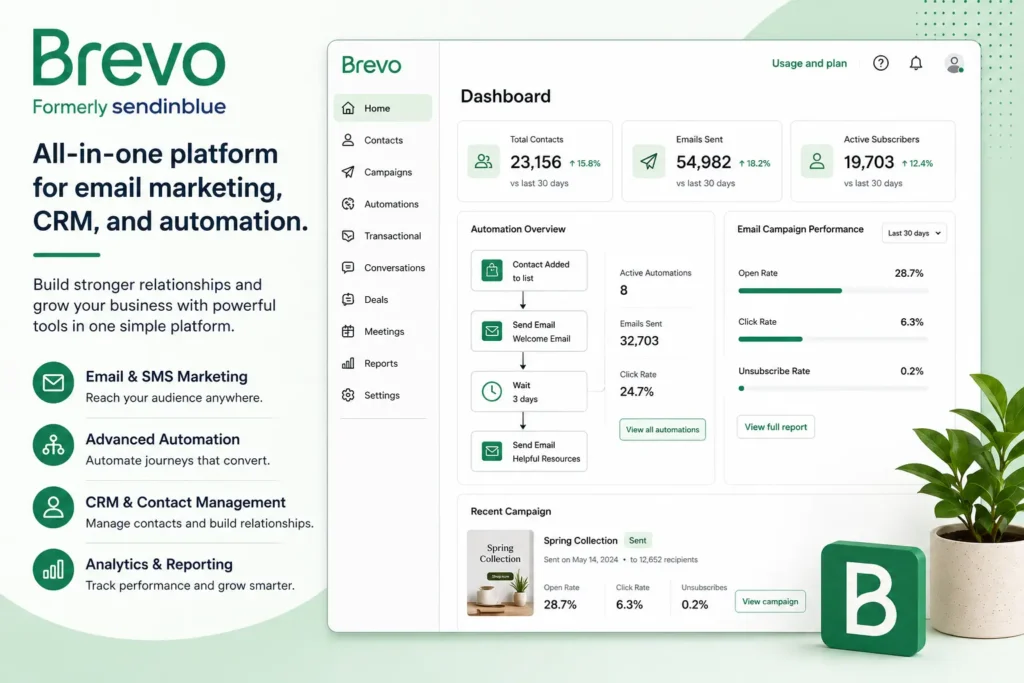
What sets Brevo apart:
- Advanced automation workflows
- SMS marketing integration
- Strong deliverability even on large lists
For bloggers who are scaling or working with clients, Brevo gives you flexibility without the high price tag of premium tools. It’s like having both a marketing engine and a relationship management system in one place.
Best for:
- Bloggers scaling their audience
- Service providers and agencies
- Users who want automation + CRM in one tool
Which one should you choose?
There’s no universal “best” tool. The right choice depends on where you are in your blogging journey.
- If you’re just getting started, Mailchimp is a great place to begin
- If you’re focused on building your brand, ConvertKit is a solid choice
- And if you’re ready to scale like a real business, Brevo is the way to go
Think of your email tool as your backend growth engine. Your blog brings traffic, but your email list builds relationships and drives revenue.
Choose wisely, because this single decision can quietly shape your entire blogging success.
Hack 1: Build your email list from day one
Most beginners delay this. This is a big mistake; Start collecting emails immediately.
Use:
- Lead magnets (free PDFs, guides, checklists)
- Newsletter signup forms
- Exit popups
Even if you get just 5 subscribers a day, it adds up. Consistency builds a powerful list.
Hack 2: Offer value before asking for anything
People don’t subscribe for you, they subscribe for what you can give.
Offer something useful:
- A quick guide
- A solution to a problem
- A valuable insight
When your emails help people, they stay.
When they trust you, they convert.
Hack 3: Write emails like you talk
Forget corporate language, write like a human.
Simple. Clear. Personal.
Instead of writing: “Dear subscriber, we are pleased to inform you…”, write: “Hey, I want to share something that can help you today.”
Connection beats perfection.
Hack 4: Use the power of Story + Value
Emails that convert are not just informative, they are relatable.
Start with:
- A problem
- A real experience
- A question
Then provide value. This keeps readers engaged from start to end.
Hack 5: Segment your audience
Not all subscribers are the same.
👉Some are beginners.
👉Some are advanced.
👉Some are ready to buy.
Use segmentation to send relevant emails.
This improves:
- Open rates
- Click rates
- Conversions
Hack 6: Automate your email funnel
Automation saves time and builds consistency.
Set up:
- Welcome emails
- Value-driven sequences
- Follow-ups
Once created, these emails work for you 24/7.
Hack 7: Focus on subject lines
If your subject line fails, your email is ignored.
Keep it:
- Curious
- Clear
- Benefit-driven
Examples:
- “This simple trick doubled my blog traffic”
- “Why your blog isn’t growing (fix this)”
The goal is simple. Make people want to open.
Hack 8: Keep emails short and actionable
Long emails are often ignored.
Focus on:
- One idea
- One message
- One action
Respect your reader’s time.
Hack 9: Be consistent, not random
Email once and disappear? That kills trust.
Consistency builds familiarity. Whether it’s once a week or twice a week, stick to a schedule.
Hack 10: Track, analyze, improve
Use your email platform’s analytics.
Focus on:
- Open rates
- Click rates
- Unsubscribe rates
First understand what works. Then improve it.
The real secret most bloggers miss
Email marketing is not about sending emails, it is about building relationships.
When your audience feels connected to you, they:
- Read your content
- Trust your recommendations
- Buy your products
That’s real blogging success.
Simple email strategy for beginners
If you’re starting today, follow this:
- Create a lead magnet
- Set up a signup form
- Write a welcome email
- Send weekly value emails
That’s enough to begin.
Closing Thoughts
In 2026, attention is limited. But relationships are powerful.
Email marketing gives you direct access to your audience without depending on algorithms.
If you want long-term blogging success; Don’t just build traffic, build a list.
Because your email list is not just a tool. It is your digital asset.